
Professional Color Consulting for Interiors, Exteriors & Renovations.
Repainting or renovating your home is a significant investment, and choosing the wrong colors or finishes can lead to costly mistakes.
While digital tools and AI can help you visualize possibilities, they cannot reliably account for the nuances of color in your actual space. Lighting, existing materials, architectural features, and the relationships between colors all influence the final result.
I help homeowners evaluate these conditions, narrow their options, and make informed color and finish decisions before committing to paint or materials.
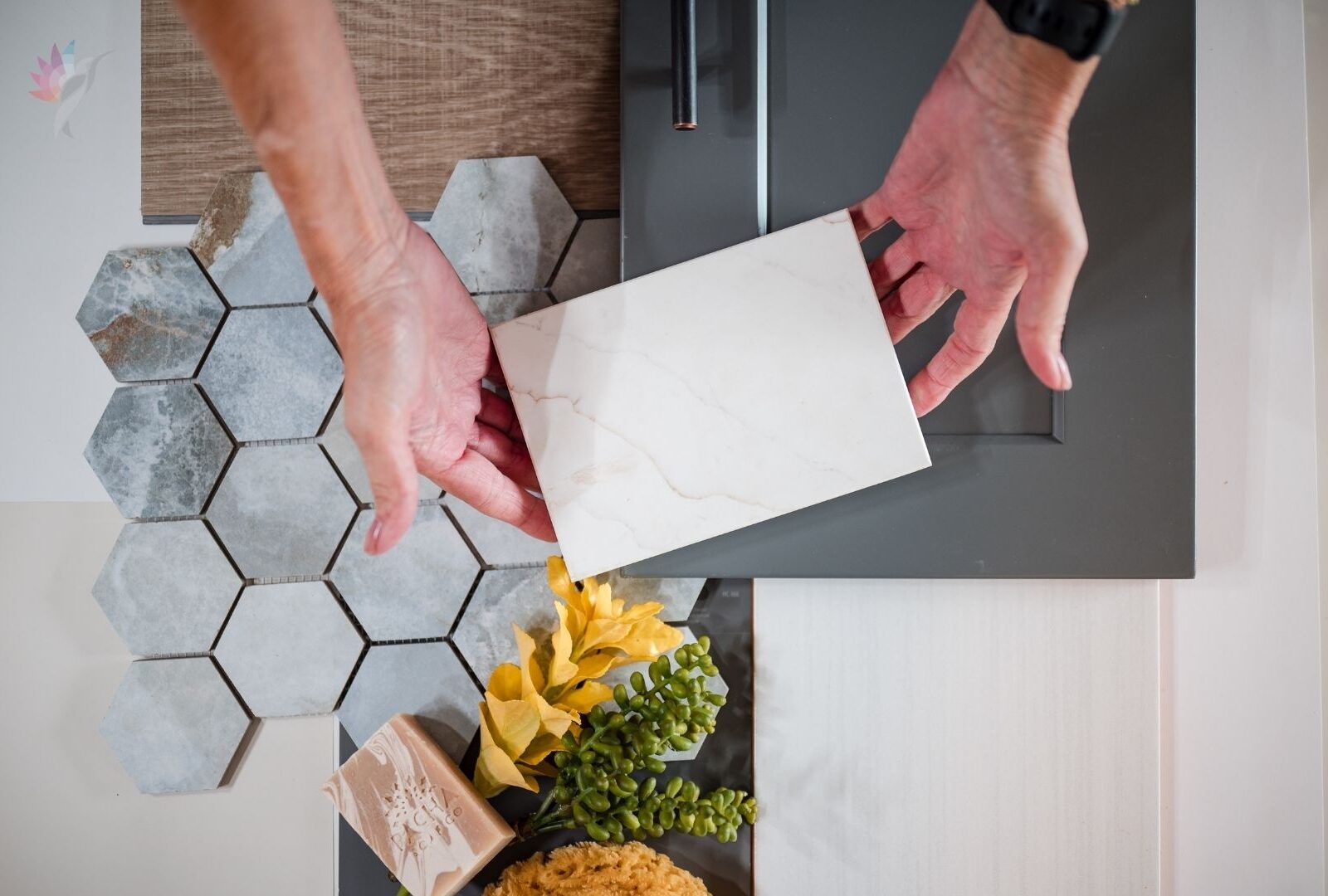
Color cannot be evaluated in isolation. A paint color that looks right on a sample may respond very differently alongside your flooring, countertops, cabinetry, or exterior materials.
My approach begins with understanding what is already in place, what needs to change, and which elements must work together.
By evaluating these conditions before making recommendations, I help you avoid unnecessary trial and error and make decisions that support your home’s existing materials, architecture, and intended use.
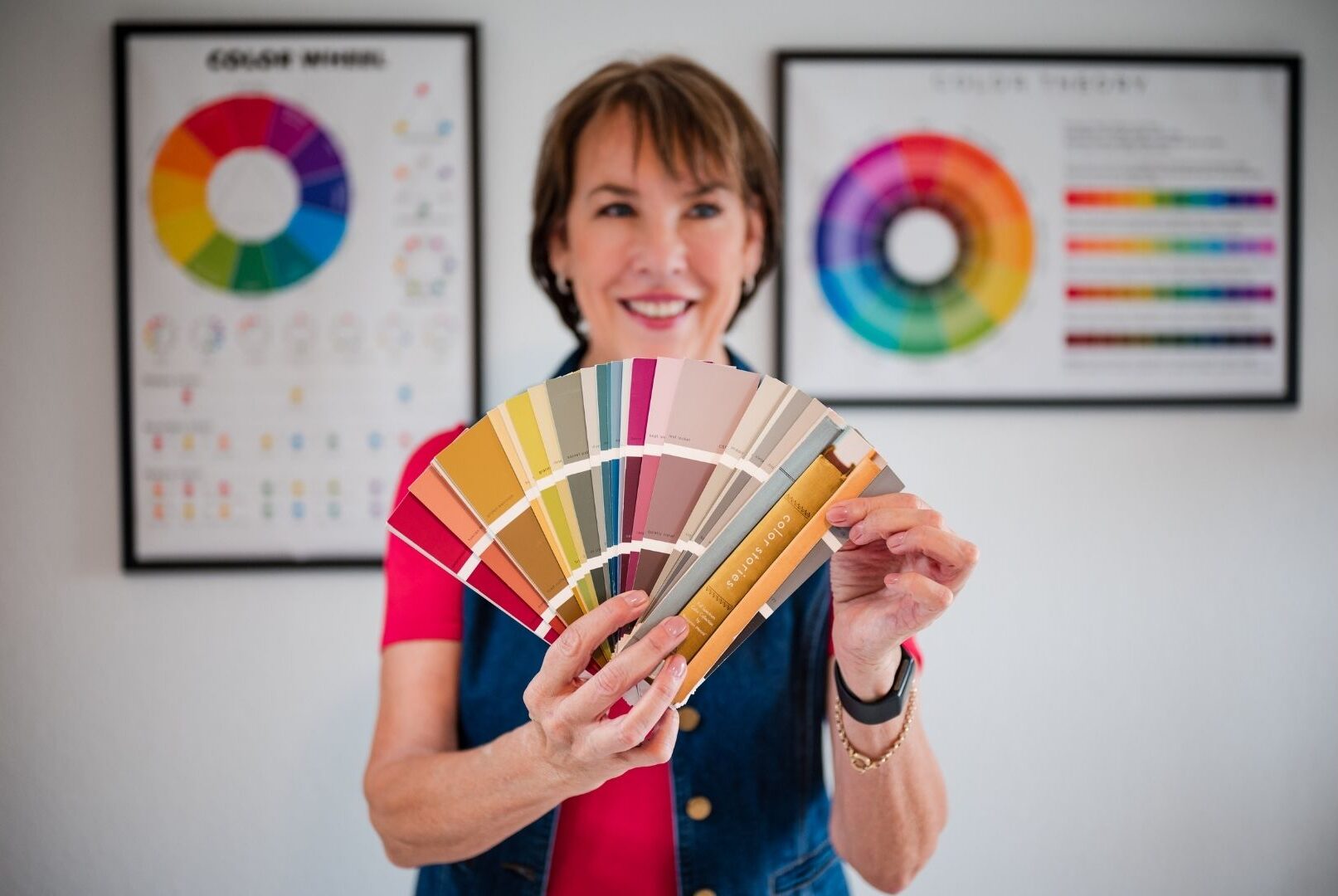
Develop a complete interior paint palette beyond the basic wall colors. We’ll select up to SIX coordinated colors, including main wall colors, cabinetry and other decorative or accent paint colors, while considering your furnishings, flooring, fixed finishes and overall design direction
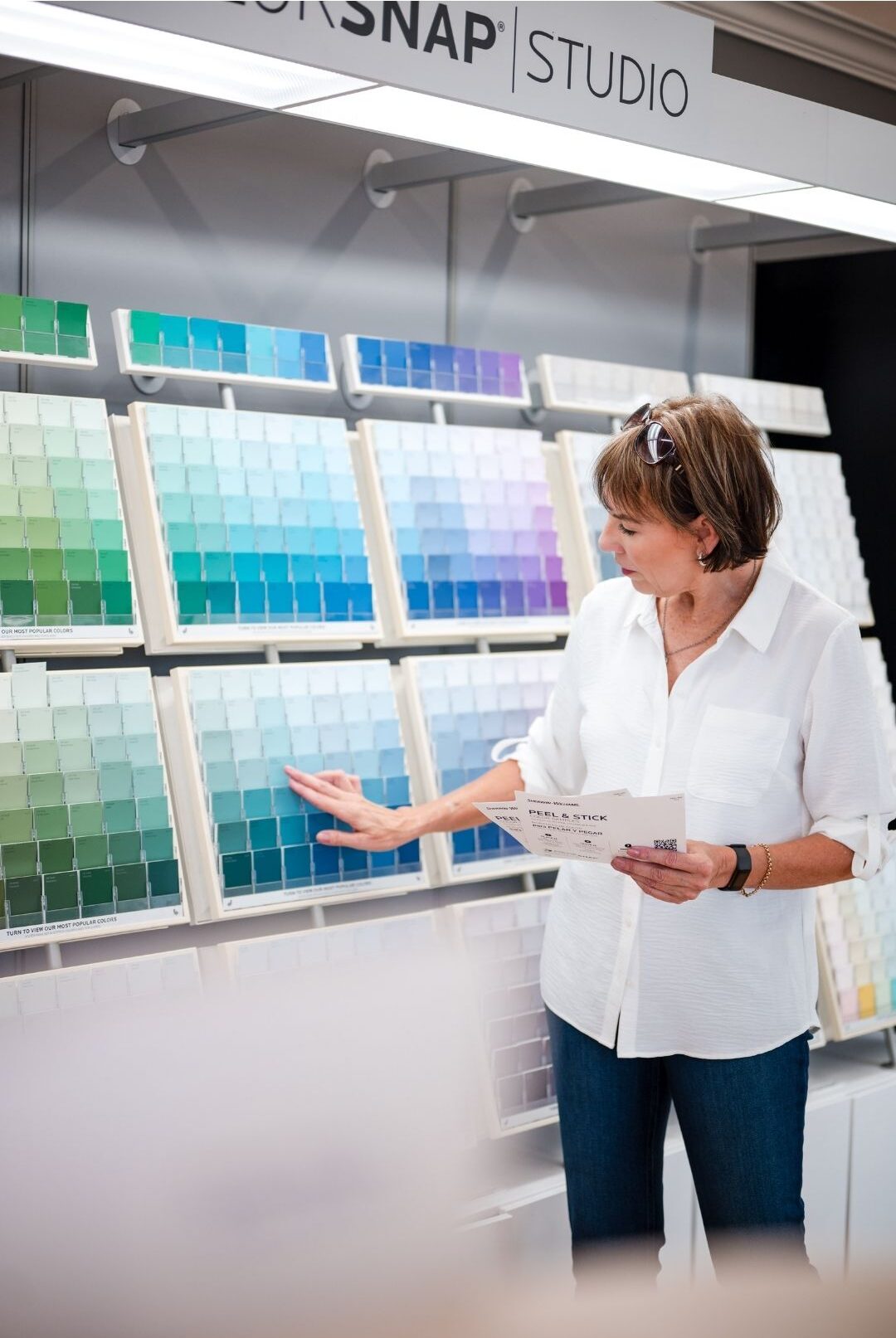
Get the foundation of your interior palette right. In this up-to-60-minute consultation, we’ll select up to two primary paint colors that work with the existing finishes you plan to keep, including flooring, countertops, furnishings and trim.

Exterior color is about more than choosing two or three colors. We evaluate your home’s architecture, roof, stone, siding, windows, doors and other fixed elements to determine both the right colors and where they should be placed. You’ll receive a detailed exterior color plan ready for your painter.
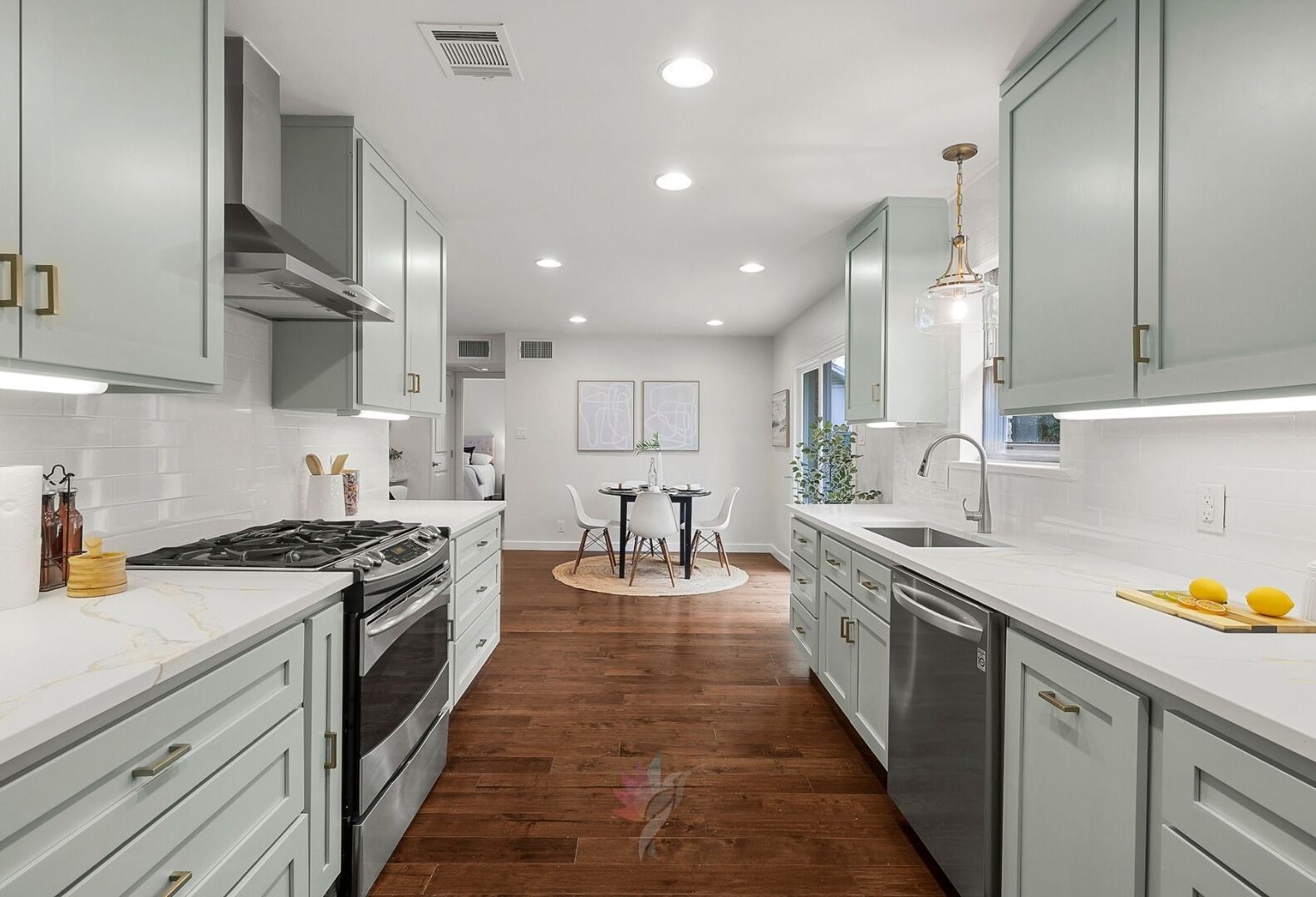
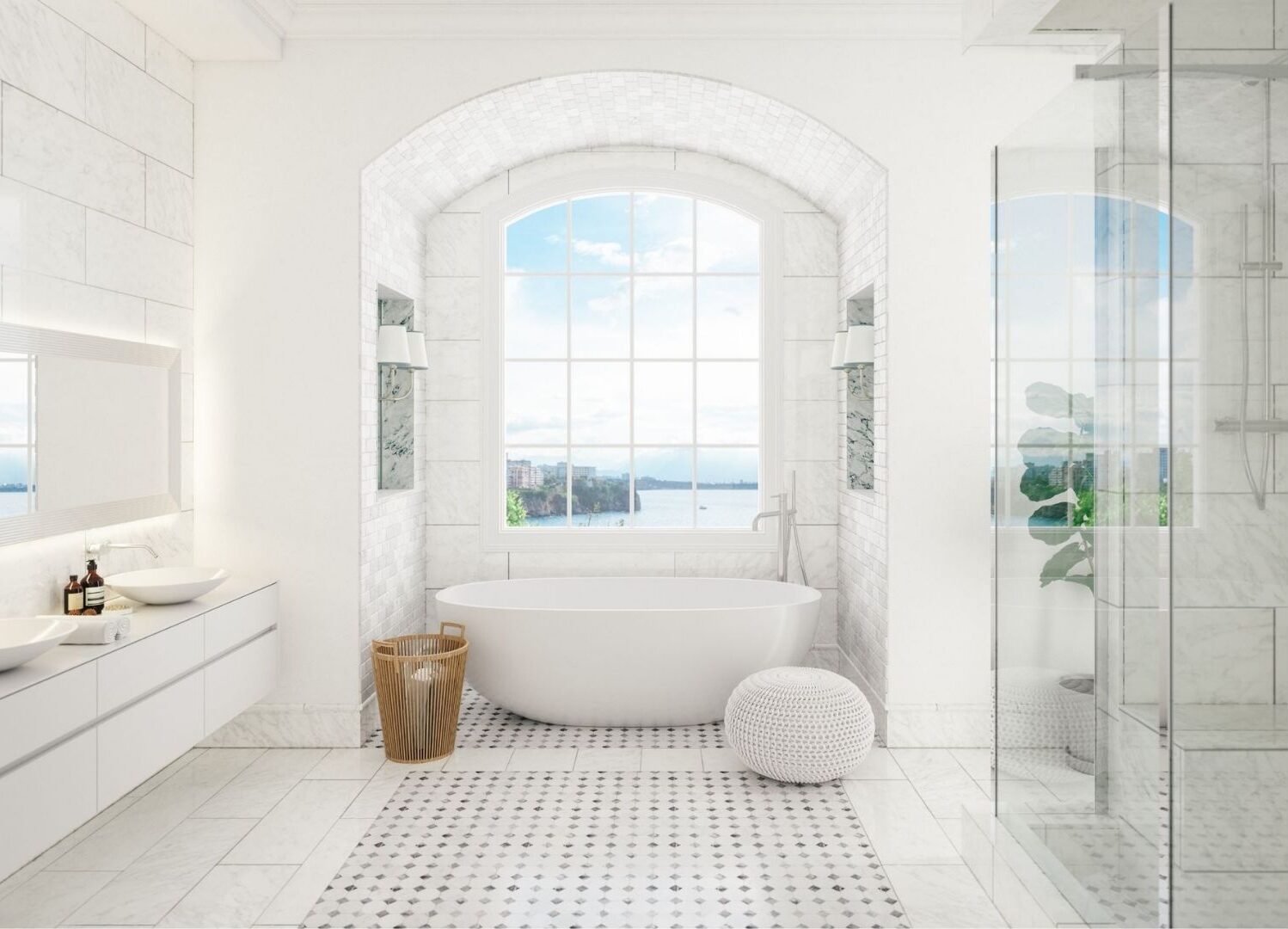


Posted on Google
 Serena Chou84 days ago
Trustindex verifies that the original source of the review is Google.
I was looking for a trusted expert to help me translate my words and feelings about what I hoped my new home could be into an actual color palette, and to empower me to make bolder color choices. Max was absolutely perfect. She spent a considerable amount of time just listening to me ramble, and then put concrete choices in front of me in different lighting and narrowed down what I needed to think about so I could build up to a holistic color narrative. She has so much experience that she immediately honed in on elements that need to be tuned (e.g. lighting choices) to make the colors harmonious with the whole house. I couldn't be happier that I worked with Max on this, and I'm excited to see these colors translate into paint! Thank you!Posted on Google Rista Kuhn101 days agoExcellent experience working with Max on our dashboard designs. She took real care to match our corporate colors accurately, even providing the exact hex codes to make sure everything stayed on-brand. Helpful, detail-oriented, and easy to work with throughout. Highly recommend.Posted on Google
 Susan Battle105 days agoMax was like a magician. She could instantly see the colors that would work together for our new deck plus updated house trim and door color to have them all work with our main house color. The result is a lovely, pulled-together looking home that I wish we'd had all along. She was efficient, but also warm, inviting, and generous with her time. She showed why different colors worked and others didn't. We highly recommend her!Posted on Google
 Mark Hanley117 days agoI was agonizing over paint colors for the interior of our home. Bored and frustrated with what was on the walls but couldn’t make any decisions. Max Ruthven was highly recommended by my painters. Best decision I have ever made. She helped me pick a beautiful palette of colors. I am so thrilled with the results!Posted on Google
 Julie B.124 days agoHaving collaborated with Max on two separate projects, I can say the experience has been nothing short of exceptional. The first time I worked with her, I sought a color consultation for our home's exterior, a decision I had struggled with for weeks. She quickly offered the ideal recommendation, perfectly balancing our home's architecture with its surrounding environment. As a result, Max became our top priority for all design choices when we transitioned to our new home. We are delighted with the color palettes she proposed, as they once again harmonize beautifully with our house and its setting. Max is truly a professional and a talented artist who offers much more than just color expertise. I highly recommend her services.Posted on Google
 Susan Stavinoha126 days agoMax was so easy to work with, very knowlegable and approchable. She helped me pick out colors for my roof, sding, deck and door for a remodel in the hill country. We were able to accomplish this via zoom. I needed help pulling he triger on my choices and she made a few improtant changes and helped me with the final decision. I should have called earlier.Posted on Google
 Ronnie Schleiss136 days agoI used Max to lead me in selecting paint colors and finishes for an entire home interior repaint: walls, ceiling, trim, and wood cabinets in 3 rooms. Max is amazing! She can read lighting color and intensity and explains how it will impact paint colors; she seems almost superhuman in how quickly she can analyze a room taking into account the flooring, connected rooms, furnishings, and rugs. She really is amazing and I am delighted with the final results. I highly recommend Max and will look forward to using her again as I pursue other interior projects. 5 stars for Max!!Posted on Google
 Robbie Friedmann136 days agoI have used Max for color consultations on many homes that my clients have bought and sold, and I have also referred her to numerous family members and friends. She has an exceptional talent for selecting the perfect paint colors while thoughtfully considering existing countertops, backsplashes, flooring, and other finishes throughout the home. Max is knowledgeable, professional, and confident in her recommendations, which makes the decision making process easy and enjoyable. Her ability to bring all the design elements together creates beautiful results, and everyone I have referred to her has been extremely happy with the outcome. I highly recommend her services.Posted on Google
 Sung Park150 days agoWe hired Max to be our color consultant as well as bathroom designer, and we can't be happier with our end result. Max's suggestions were incredibly detailed and well-thought out. We sampled variants of what Max suggested like Benjamin Moore or Sherwin Williams, or eggshell or satin, and after testing numerous combinations, we can say that our end result was only achievable by following Max's suggestion to the T. We highly recommend Max be your next color consultant!Posted on Google
 Vanessa Hadrych207 days agoAfter debating for what felt like eternity over the right shade and hue for each room in our new home, I had to call in professional help. Max asked great questions, listened, and provided invaluable insights into how I could bring the vision in my head to life. I never would have been bold enough to choose some of the colors we went with, but I LOVE them still, even three years later. Max is friendly, knowledgeable and really works to understand how you want a space to feel. Save yourself countless swatches and test cans, and bring in Max!
Grout is often selected at the end of a tile project, almost as if it were only a technical detail.
You can choose one paint color, use it on three different surfaces, and end up with three noticeably different results.
Homeowners often describe a room by saying, “Everything is warm.” The wood flooring is warm. The stone is warm. The
